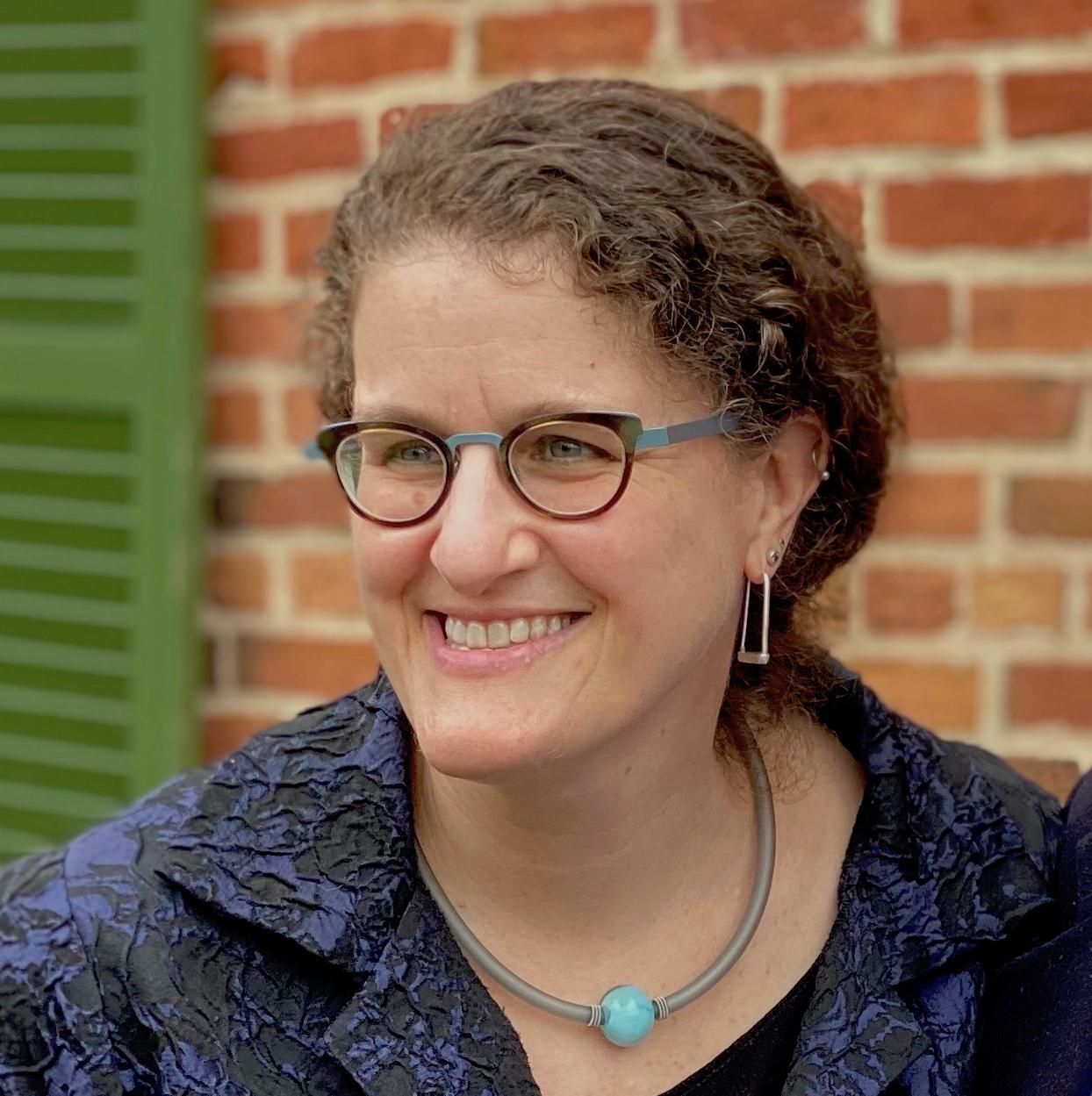
Dr. Elizabeth (Beth) Cameron is a Professor of the Practice and Senior Advisor to the Pandemic Center at the Brown University School of Public Health. In addition to her role with the Pandemic Center, Beth is a non-resident senior advisor to the Center for Strategic and International Studies (CSIS) Global Health Policy Center, a life member of the Council on Foreign Relations, and a practitioner senior fellow of the UVA Miller Center.
Beth is a global leader in health security, biosecurity, pandemic preparedness, biodefense, and combating bioterrorism. She has served over two decades, within and outside of government, to facilitate change. She spent two tours on the White House National Security Council staff, twice helping establish and lead the Directorate on Global Health Security and Biodefense, a role in which she served under three Presidents. In this and other positions, she builds and leads robust teams focused, every day, on leaning forward to prevent, detect, and rapidly respond to biological crises. She served U.S. Agency for International Development as a global health security adviser, and she was a member of the Biden-Harris transition team.
Beth has held senior posts at the Departments of State and Defense, where she created and oversaw biological and chemical security efforts. From 2010‐2013, she served as office director for Cooperative Threat Reduction (CTR) and senior advisor for the Assistant Secretary of Defense for nuclear, chemical, and biological defense programs. In this role, she oversaw the implementation of the geographic expansion of the Nunn‐Lugar CTR program. For her work, she was awarded the Office of the Secretary of Defense Medal for Exceptional Civilian Service. From 2003‐2010 Beth oversaw the expansion of Department of State Global Threat Reduction programs and supported the expansion and extension of the Global Partnership Against the Spread of Weapons and Materials of Mass Destruction, a multilateral framework to improve global CBRN security.
She has been instrumental to developing, coordinating, launching, and implementing the U.S. global COVID-19 response, the Pandemic Fund, the U.S. National Biodefense Strategy, the Global Health Security Agenda, the Development Finance Institutions Medical Countermeasures Surge Financing Initiative, the Global Partnership Against the Spread of Weapons and Materials of Mass Destruction biosecurity effort, and many other initiatives focused on improving biosecurity and biosafety globally. Her work has helped address homeland and national security threats by enhancing pandemic preparedness, biosecurity and biosafety; improving emerging infectious disease surveillance, and countering the development and use of biological weapons.
Outside of government, Beth was the Vice President for Biological Policy and Programs at the Nuclear Threat Initiative (NTI) and architect of NTI | bio, a program aimed at countering biological catastrophes. There she helped lead the development of the first Global Health Security Index and worked to build international consensus to launch a new global organization geared at improving biosafety and biosecurity. From 2001‐2003, she also served as a manager of policy research for the American Cancer Society.
Beth got her start in government as an American Association for the Advancement of Science (AAAS) fellow in the health policy office of Senator Edward M. Kennedy where she worked on the Patients’ Bill of Rights, medical privacy, and legislation to improve the quality of cancer care.
Beth holds a Ph.D. in Biology from the Human Genetics and Molecular Biology Program at Johns Hopkins University and a BA in Biology from the University of Virginia.