
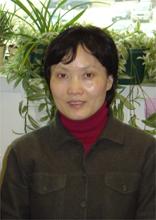
Ji Su Li
Ji Su Li
Associate Professor of Medicine (Research)
Overview
M.D. Shanghai Medical University, Shanghai, China (1983). Ph.D.: Claud-Bernard University, Lyon, France (1992). Postdoctoral training: Massachusetts General Hospital Cancer Center, Harvard Medical School (1993-1999). Current employment: Associate Professor of Medicine, Liver Research Center, Rhode Island Hospital, Brown Medical School. Research interest: Hepatitis B and C virus: molecular virology and carcinogenesis.
Brown Affiliations

Research
Research Overview
Research Statement
Hepatitis C virus: Persistent hepatitis C virus (HCV) infection is closely associated with the development of HCC in the setting of chronic hepatitis or cirrhosis. However, the molecular mechanisms leading to HCC development are poorly defined. Gene transfection experiments and transgenic mouse models revealed the potential of individual viral proteins to modulate the cell signaling pathways that are implicated in proliferation/apoptosis, lipid metabolism, and immune defense. The HCV core protein has been proposed as one of the key viral components contributing to oxidative stress, steatosis, and carcinogenesis. We found that expression of HCV core protein increased cell proliferation, DNA synthesis, and cell cycle progression. Consistent with this, the full-length HCV replicon stimulated cell proliferation better than the subgenomic replicon, which lacks the core gene. The fact that culture supernatant from core gene transfected cells stimulated cell growth suggests the role of secreted factor(s) in mediating the growth signal. Microarray analysis revealed that most of the genes involved in cell growth or oncogenic signaling are up-regulated rather than down regulated. Of particular interest is the marked up regulation of both wnt-1 and its downstream target gene WISP2. In this regard, activation of wnt signaling has been observed in approximately one third of HCC, and both proteins are secreted growth factors. Further molecular characterization of wnt1/WISP2 signaling in association with the core induced cell proliferation in the context of HCV replication may probe into the molecular mechanisms by which HCV infection modulates growth signaling and eventually leads to the development of HCC.
Funded Research
R21 DK066950-01 Li (PI)
05/15/04-04/30/06
$100,000 (Direct/year)
National Institutes of Health (NIH)/ National Institute of Diabetes and Digestive and Kidney Diseases (NIDDK)
Hepatitis C Virus Core Protein and Cell Proliferation
Goal of the project: Characterize the molecular basis of HCV core protein in mediating enhanced cell proliferation
Role: PI
R01 CA109733 (Li)
4/15/05-3/31/2010
$150,500 (Direct/year)
National Cancer Institute (NCI)
Molecular targets for interruption of HBV Infection
The major goal of this project is to evaluate duck hepatitis B virus receptor (carboxypeptidase D) and co-receptor (glycine decarboxylase) as potential targets for interruption of DHBV infection at the early stage of the viral life cycle.
Role: Principle Investigator
R01 DK28614 Biancani (PI)
7/1/03-6/30/07
$200,000 (direct/year)
NIDDK
Biophysical Principles of Peristaltic Phenomena
The major goals of this project are to examine the mechanisms responsible for esophageal contraction and LES tone in normal animals
Role: Co-investigator
Completed Research Support:
Liver Scholar Award Li (PI)
07/01/99-6/30/2002
American Liver Foundation (ALF)
Characterization of carboxypeptidase D as an avian hepadnavirus receptor.
Role: PI
R21 CA095490-01 Li (PI)
04/01/02-03/31/04
NIH/NCI
Role of Glycine Decarboxylase in Hepadnaviral Infection.
Goal of the project: characterize the role of glycine decarboxylase in the early stages of the viral life cycle.
Role: PI
P20 RR15578-02 Sedivy (PI)
09/30/00-08/31/05
NIH/ National Center for Research Resources (NCRR)
Center for Genetics and Genomics
This Centers of Biomedical Research Excellence (COBRE) award funds core facilities and research projects at Brown University and its affiliated hospitals.
Role: Co-Investigator
Scholarly Work
Karthe, J., Tessmann, K., Li, J.S., Machida, R., Daleman, M., Haussinger, D., and Heintges, T. 2008. Specific Targeting of Hepatitis C Virus Core Protein by An Intracellular Single Chain Antibody of Human Origin. Hepatology 48:702-712.
Tong, S., Kim, K.K., Chante, C., Wands, J. and Li, J.S. 2005. Hepatitis B Virus e antigen variants. International Journal of Medical Sciences 2(1):2-7.
Fukutomi, T., Zhou, Y., Kawai, S., Eguche, H., Wands, J., Li, J.S. 2005. Hepatitis C virus core protein stimulates hepatocyte growth: correlation with up-regulation of wnt-1 expression. Hepatology 41:1096-1105.
Li, J.S., Tong, S.P., Lee, H.B., Perdigoto, A. Wand, J. 2004. Glycine decarboxylase mediates a post-bindng step in the life cycle of the avian hepatitis B virus. J. Virol. Vol.78:1873-1881.
Dumoulin, F.L., von dem Bussche, A., Li, J.S., Khamzina, L., Wands, J.R., Sauerbruch, T., and Spengler, U. 2003. Hepatitis C virus NS2 protein inhibits gene expresison from different cellular and viral promoters in hepatic and nonhepatic cell lines. Virology. 305:260-266.
Spangenberg H.C., Lee H.B., Li J.S., Tan F., Skidgel R., Wands J.R., and Tong S.P. 2001. A short sequence within domain C of duck carboxypeptidase D is critical for duck hepatitis B virus binding and determines host specificity. J. Virol. 75:10630-10642.
Li J.S., Tong S.P., Wands J.R. 1999. Identification and expressoin of glycine decarboxylase (p120) as a duck hepatitis B virus pre-S envelope-binding protien. J. Biol. Chem. 274:27658-27665.
Li J.S., Tong S.P., Wands J.R. 1996. Characterization of a 120-kilodalton liver pre-S binding protien as a candidate duck hepatitis B virus receptor. J. Virol. 70:6029-6035.
Background
Education and Training
| Year | Degree | Institution |
|---|---|---|
| 1992 | PhD | Université Claude Bernard, Lyon 1 |
| 1983 | MD | Shanghai Medical University |
Honors and Awards
1991 Young Investigator's Award, French Society for the Study of the Liver (AFEF).
1992-1993 Post-Doctoral Fellowship, BioMerieux.
1999-2002 Liver Scholar Award, American Liver Foudation.
2000 Member of National Institutes of Health (NIH) Grant Review Committee, Hepatitis C Cooperative Research Center, National Institute of Allergy and Infectious Diseases (NIAID).
2005 Member of NIH Grant Review Committee, Hepatitis C Cooperative Research Center, NIAID.
2005 Co-Chair, the International Meeting on the Molecular Biology of Hepatitis B Viruses, Heidelberg, Gemany.
2005 Co-Chair, American Association for the Study of Liver Diseases (AASLD) Research Workshop "Molecular Mechanisms of the Hepatocyte Transformation, San Francisco.
2006 Invited Speaker, 5th NHRI Conference on Viral Hepatitis and Hepatocellular Carcinoma, Taiwan
2006 Co-Chair, The Molecular Biology of Hepatitis B Viruses, 2006 International Meeting, Vancouver, Canada
Affiliations
Affiliations
Member, American Liver Foundation
Member, Centers for AIDS Research